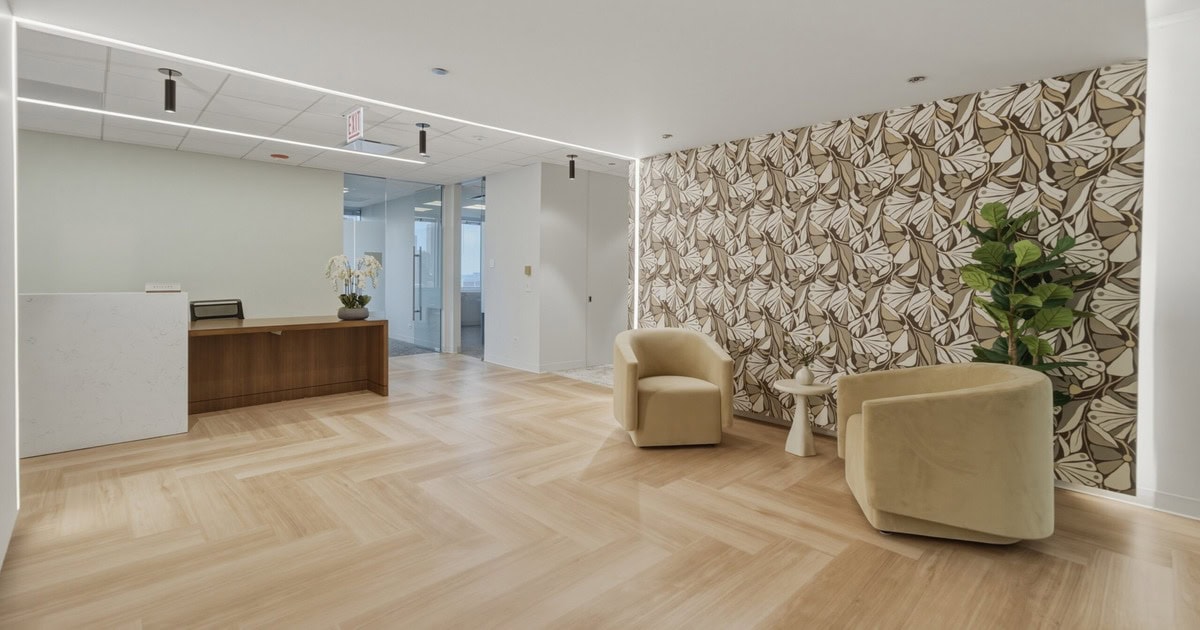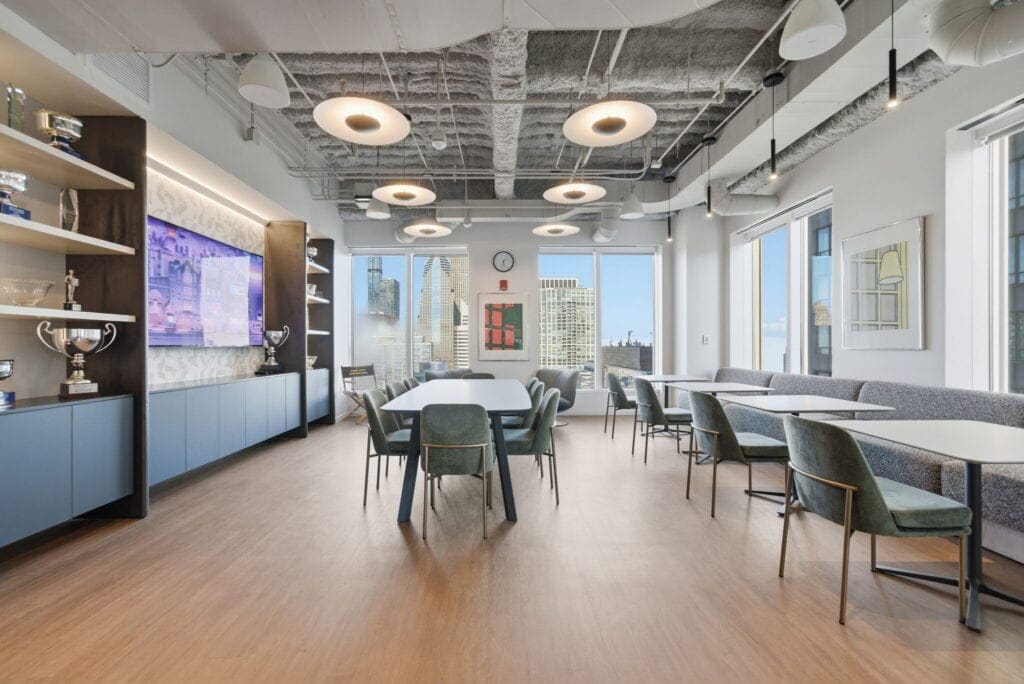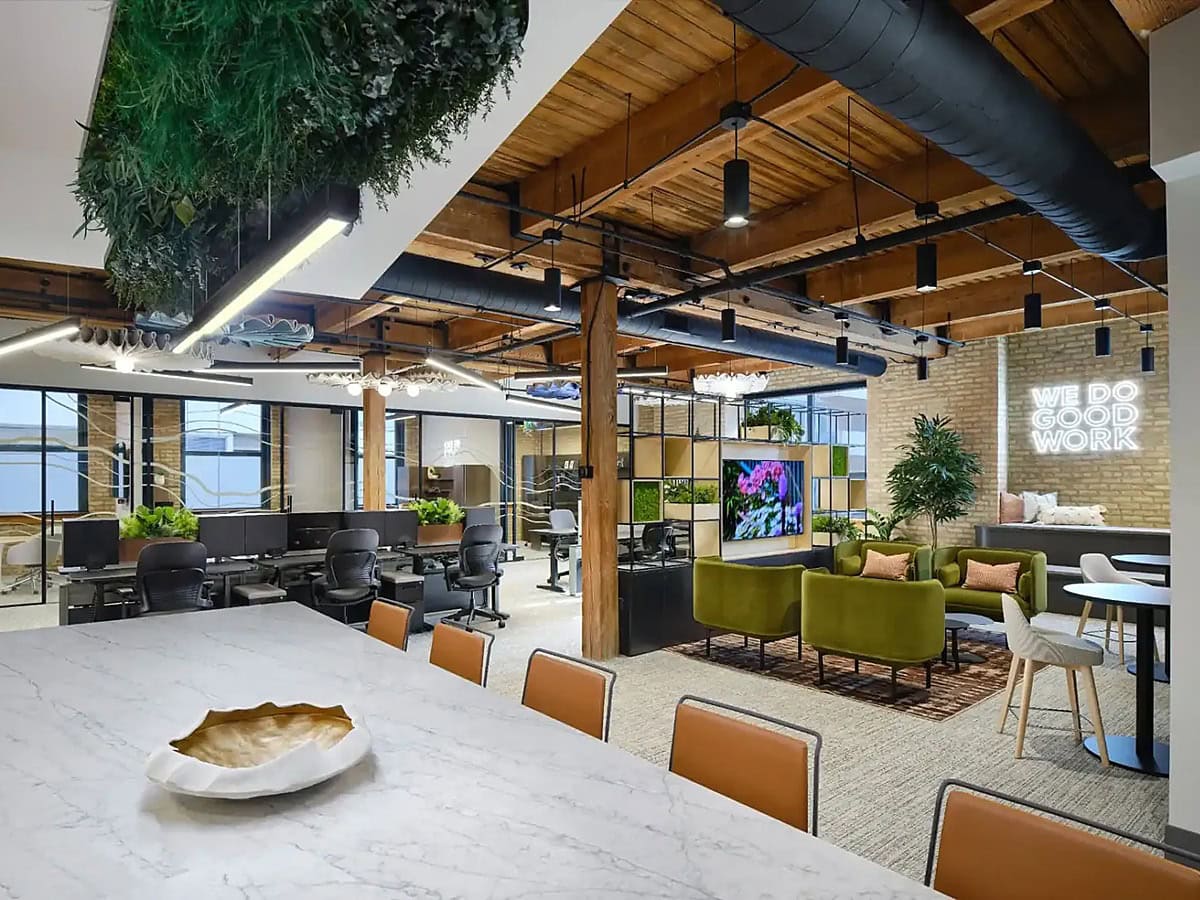

Most workplace content starts at the cleanest possible moment: the finished office.
The furniture is new. The lighting is perfect. The café is stocked. The collaboration areas are staged just enough to look active but not messy. The renderings and photography tell a polished story about culture, brand, hospitality, and the future of work.
That story matters. But it is not the whole story.
The office is not a still image. It is a living system. It begins before the first wall comes down or the first workstation is ordered. It continues through years of daily use, adaptation, maintenance, employee behavior, technology changes, hybrid work patterns, and business shifts. And eventually, every office reaches another moment that gets far less attention: the move, resize, refresh, decommission, reuse, resale, donation, liquidation, or disposal.
That hidden life cycle may be one of the most important workplace conversations we are not having enough.
For years, the industry has focused heavily on what comes next: next-generation amenities, hospitality-inspired spaces, hybrid-ready layouts, wellness features, collaboration zones, and destination offices. Those are all legitimate topics. But they can miss a deeper question: What happens to everything the office already contains?
Look at the afterlife in the life cycle
Every workplace decision creates a chain reaction. A relocation is not just a real estate event. A redesign is not just a design event. A downsizing is not just a financial event. Each one touches furniture, fixtures, equipment, technology, labor, timing, risk, waste, storage, resale value, employee disruption, landlord obligations, and environmental impact.
That is where the hidden life cycle begins.
The first overlooked phase happens before the new space is even built. Too often, companies start with the question, “What do we need to buy?” A better question may be, “What do we already have, where is it, what condition is it in, and what can have a second life?”
The second overlooked phase is the office in use. Even well-designed spaces rarely stay frozen in their original intent. Teams grow, shrink, reorganize, adopt new tools, change meeting patterns, and use space differently than the plan predicted. Gensler’s 2026 Global Workplace Survey found that work patterns have stabilized, but the workplace itself has not fully kept pace; two-thirds of workers report “hacking” their workspace to compensate for performance gaps, including issues with ergonomics, temperature, privacy, meeting space availability, and noise.
That is a useful reminder: Workplace strategy does not end at installation. A good office is not just designed. It is operated, adjusted, measured, serviced, and reworked.
The next workplace advantage may not come from having the flashiest office. It may come from having the most intentional one.
The third overlooked phase is the exit. This may be the least glamorous part of workplace planning, but it is often where the biggest operational and environmental consequences show up. When a company moves out, reduces its footprint, refreshes furniture, or changes standards, the office becomes an asset puzzle.
What can be reused internally?
What can be sold?
What can be donated?
What can be remanufactured?
What must be recycled?
What has to be removed quickly because a lease obligation or construction schedule is driving the timeline?
This is where “sustainability” becomes less of a brand statement and more of a logistics discipline.

The World Green Building Council has identified office fit-outs as a major circular-economy opportunity, noting that interior fit-outs include flooring, partitions, doors, furniture, and equipment, and that these spaces are often stripped out when they change. It also suggests a circular approach built around designing out waste, keeping products in use, and regenerating natural systems.
That idea should be central to the next era of workplace design.
The most responsible office is not always the newest office. It may be the one that makes better use of what already exists. The one that plans for change. The one that treats furniture as an asset, not debris. The one that brings facilities, design, real estate, procurement, sustainability, and operations into the conversation early enough to make smarter decisions.
Design smarter, not harder
Companies are not simply chasing more space; instead, they are trying to make better decisions about the space they choose to keep, change, leave, or reimagine. The next workplace advantage may not come from having the flashiest office. It may come from having the most intentional one.
An intentional office has a plan before the move. It has standards flexible enough to evolve. It has furniture and materials selected with future reuse in mind. It has asset data that helps teams avoid unnecessary purchasing. It has a decommissioning plan before the final week of the lease. It connects the “front-end” design conversation with the “back-end” operational reality.
That may not be the part of the workplace design that makes the rendering, but it is the part that determines whether a project is truly successful.
The future of the office is not just about creating better places to work. It is about creating smarter systems for how workplaces are planned, used, changed, and ultimately given a second life.
Give your next workplace transition a complete plan.
Whether you are refreshing, relocating, resizing, or preparing to leave a space, start with a conversation about what you own, what your people need, and what has to happen next.
Talk With a Workplace Solutions Manager