Today’s workplace decisions shouldn’t just solve today’s challenges. They should prepare your organization for what’s next.
When organizations invest in office furniture, they’re often planning around their current headcount, current workstyles, and immediate budget. But the workplace is evolving faster than ever. Artificial intelligence, hybrid work, employee expectations, and changing business priorities are reshaping how organizations use their spaces almost every year.
The question isn’t whether your workplace will change.
It’s whether your workplace is designed to change with you.
At Rightsize Facility, we believe furnishing an office isn’t about buying furniture for the next lease renewal. It’s about creating adaptable environments that continue delivering value five, seven, or even ten years down the road.
A recent workplace trend report from Kimball International highlights five major shifts that are redefining office design. Together, they reinforce one important idea:
The most successful workplaces won’t be the most expensive. They’ll be the most adaptable.
Design for People First
For years, workplace wellness focused on perks like coffee bars, fitness rooms, and lounge areas.
Today, organizations are taking a much broader view.
Employee well-being now includes cognitive performance, emotional health, social connection, and physical comfort. The workplace itself plays a significant role in supporting all four.
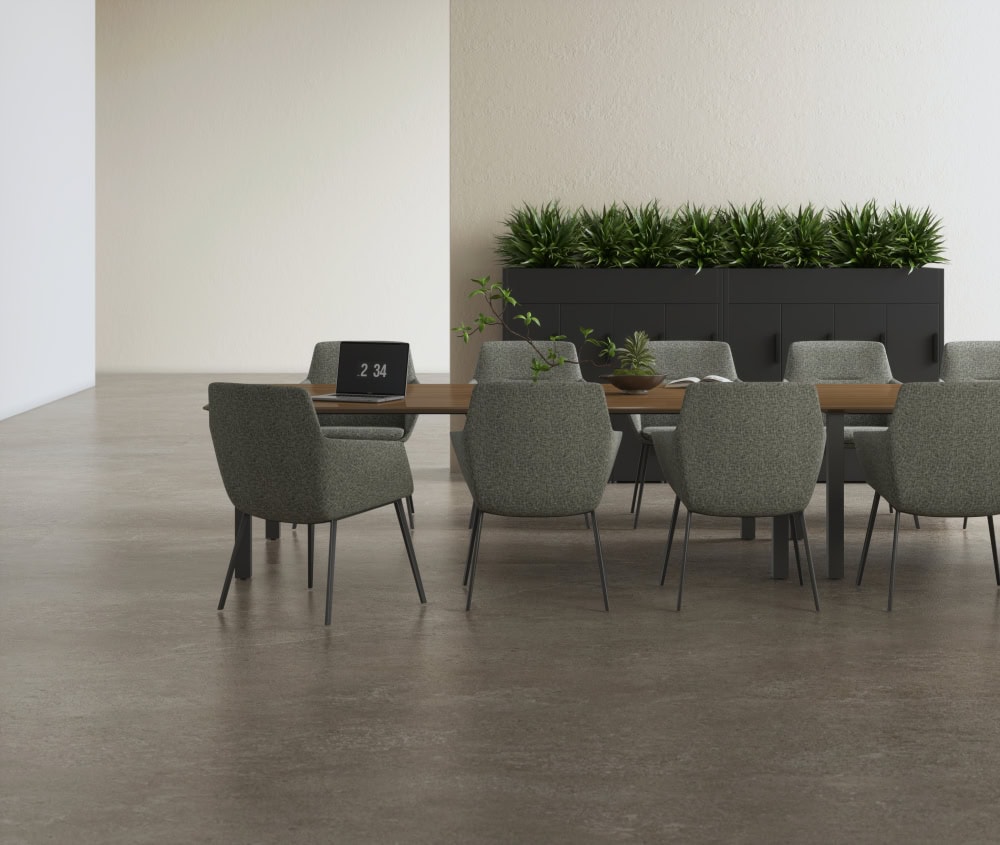
That means designing spaces with:
- Comfortable ergonomic seating
- Areas for focused work and quiet reflection
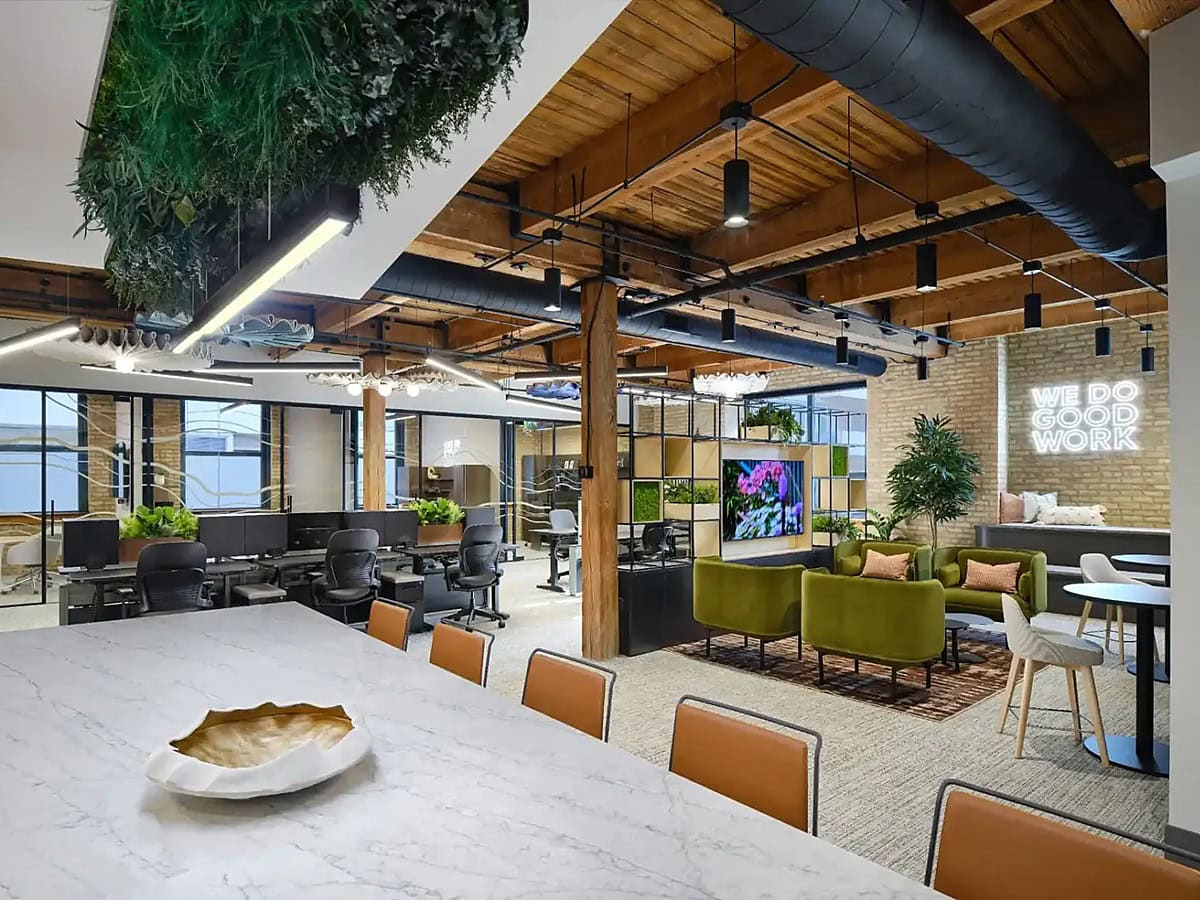
- Natural light and biophilic elements
- Flexible collaborative environments
- Furniture that accommodates different work styles
As AI takes over more routine tasks, human strengths like creativity, collaboration, and critical thinking become even more valuable. Your workplace should help employees do their best work, not simply provide a place to sit.
Create Spaces Worth Coming Into
Hybrid work has changed why employees come to the office.
They’re no longer commuting simply to answer emails.
They’re coming to collaborate, brainstorm, mentor, build relationships, and solve problems together.
This growing emphasis on meaningful in-person interaction is what workplace researchers describe as Slow Connection, creating environments that encourage genuine human engagement instead of constant digital distraction.
Instead of maximizing every square foot for individual productivity, organizations should consider:
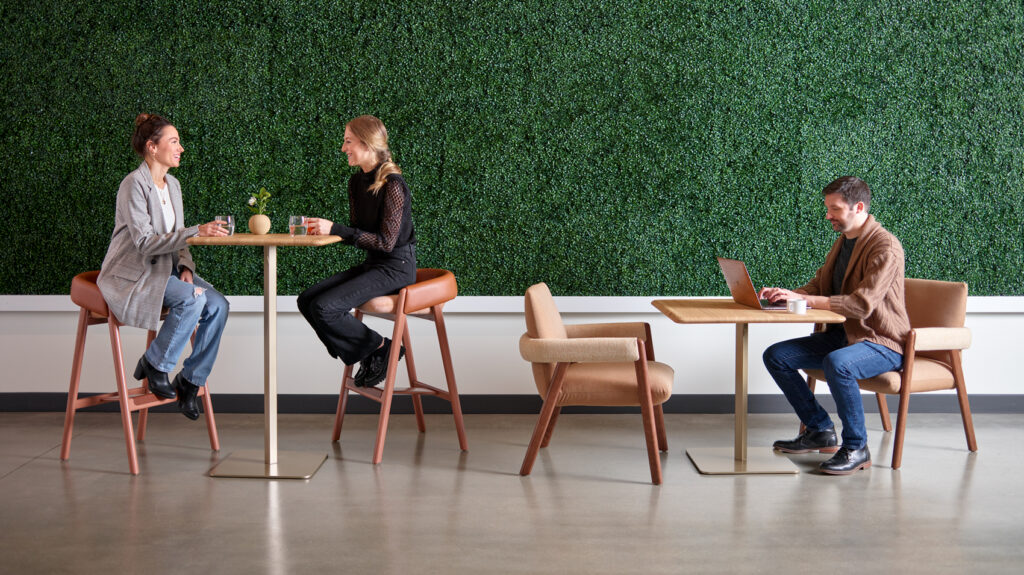
- Hospitality-inspired gathering spaces
- Café environments
- Team collaboration zones
- Outdoor work areas
- Comfortable meeting spaces that encourage conversation
The office should provide experiences employees can’t easily recreate at home.
Flexibility Should Be Built Into the Furniture
Many organizations think flexible workplaces simply mean movable furniture.
True flexibility goes much deeper.
Business needs change.
Departments grow.
Teams reorganize.
Technology evolves.
Furniture investments should be able to evolve alongside them.
Instead of furnishing for one fixed floor plan, organizations should invest in adaptable systems that can be reconfigured without requiring a complete replacement.
Examples include:
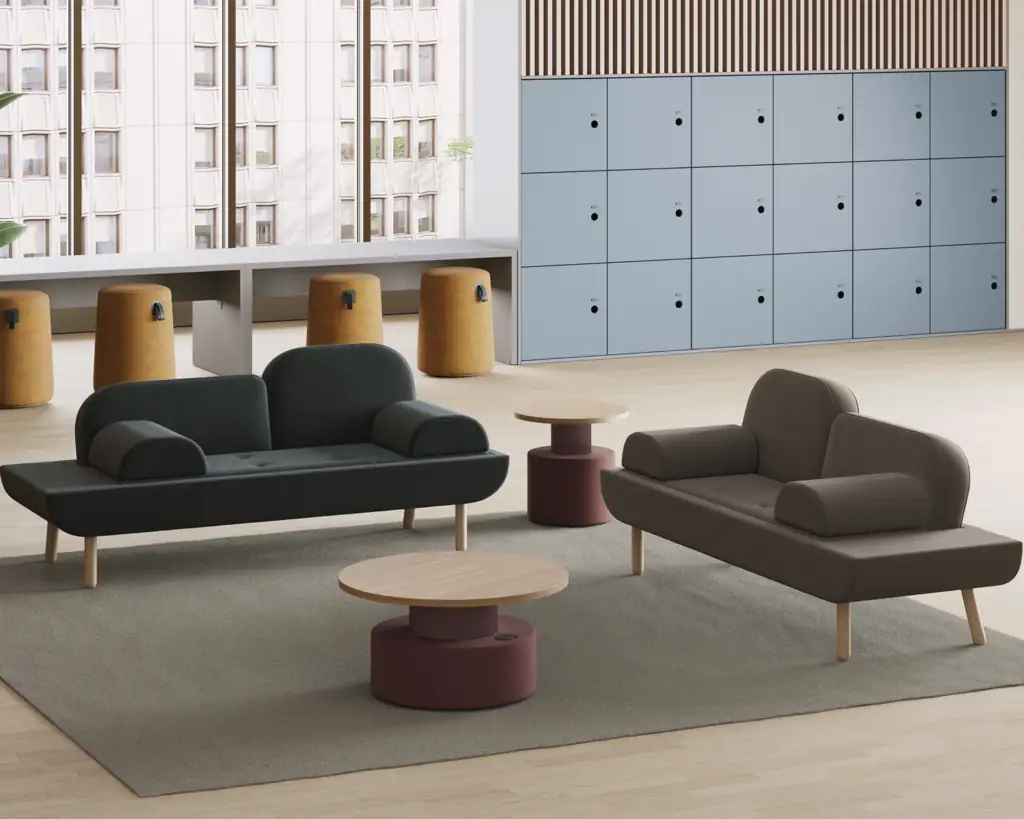
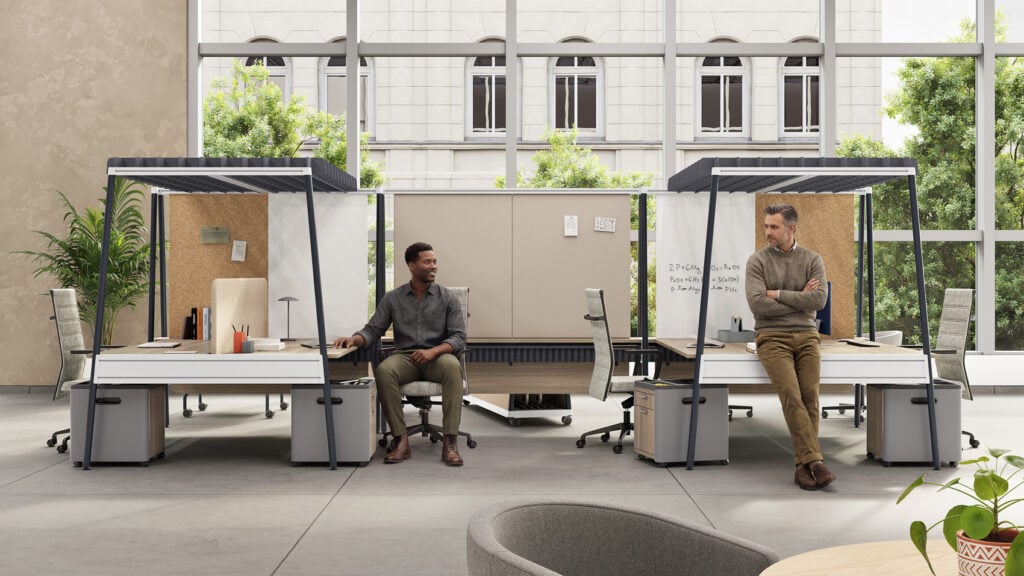
- Modular seating
- Height-adjustable workstations
- Mobile collaboration furniture
- Reconfigurable conference spaces
- Multi-purpose meeting areas
At Rightsize, we often encourage clients to think beyond today’s layout and ask:
“Will this workspace still support us five years from now?”
If the answer is no, it’s worth reconsidering the investment.
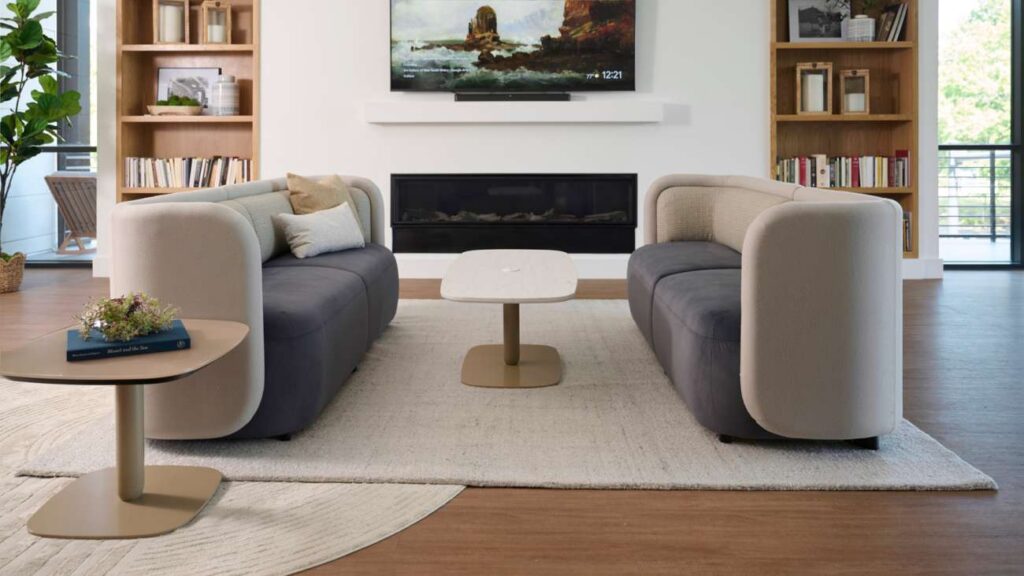
The Office Must Earn Every Visit
Work is becoming increasingly fluid.
Employees move between offices, homes, airports, client sites, and coworking spaces throughout the week. Traditional nine-to-five schedules continue to evolve, making the workplace one destination among many.
That means organizations can no longer assume employees will come to the office simply because it’s required. Instead, every visit should have purpose.
The most effective workplaces provide:
- Better collaboration opportunities
- Easier access to technology
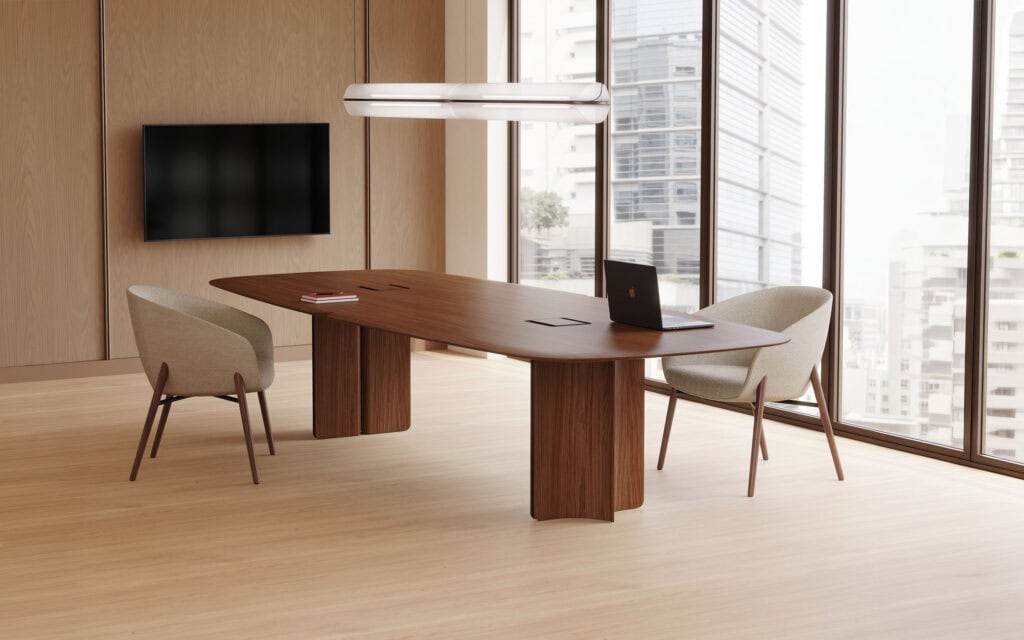
- Comfortable meeting environments
- Spaces for innovation
- Areas that support multiple work styles throughout the day
Furniture should support these changing workflows instead of limiting them.
Prepare for Human-AI Collaboration
Artificial intelligence is already changing how employees work.
The next evolution isn’t replacing people.
It’s helping people work differently.
Organizations will increasingly need workplaces that support both technology and human interaction.
That means planning for:
- More video-enabled collaboration
- Flexible meeting spaces
- Integrated technology
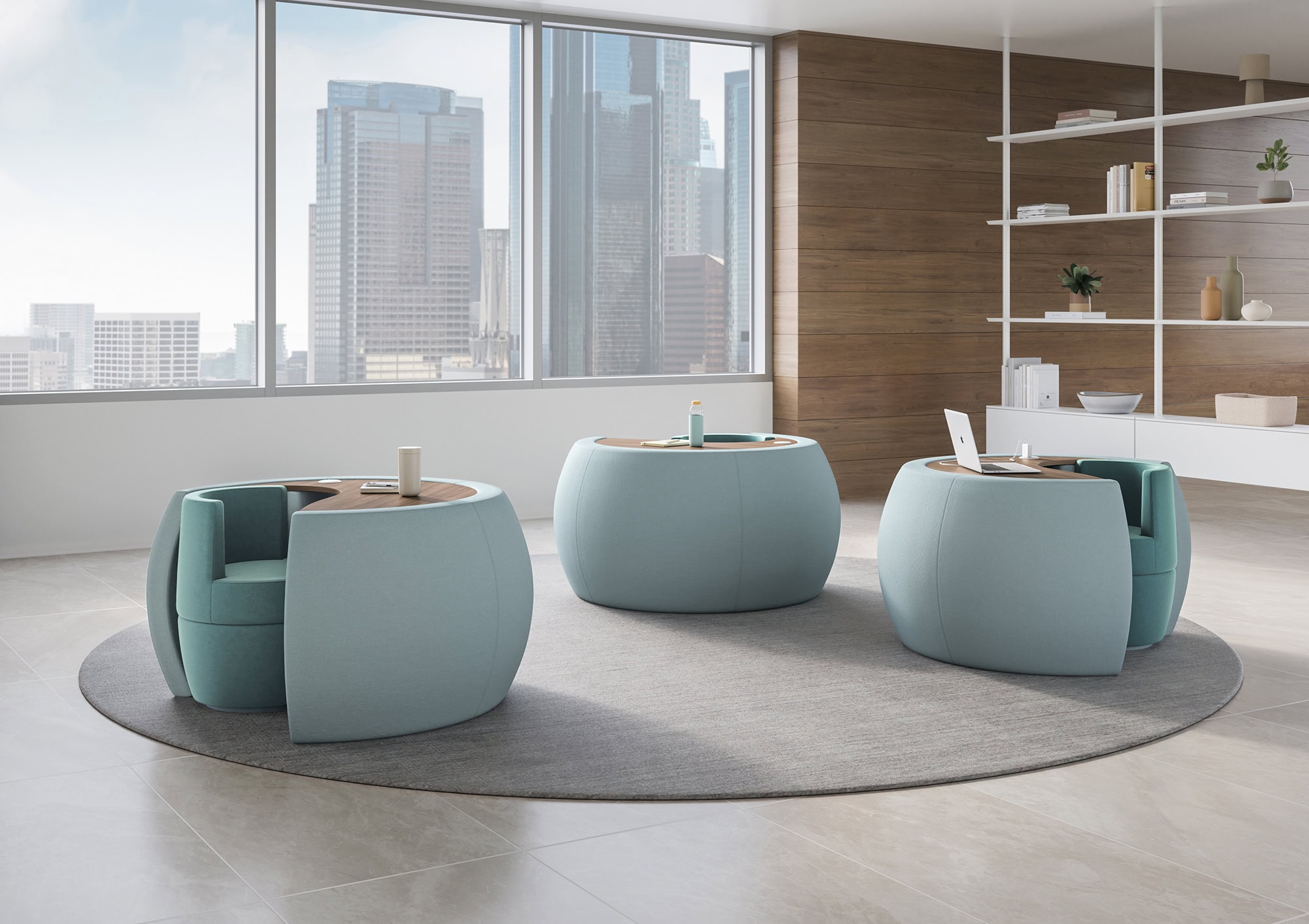
- Privacy for focused work
- Areas that encourage strategic thinking and creative problem-solving
As workplace technology advances, furniture and space planning should remain flexible enough to support tools that may not even exist today.
Future-proofing isn’t about predicting every innovation.
It’s about designing spaces that can adapt when innovation arrives.
Furnishing for the Future Starts with Better Planning
The biggest mistake organizations make isn’t choosing the wrong chair or conference table.
It’s furnishing for today’s needs alone.
A workplace should support where your organization is headed, not just where it is today.
At Rightsize Facility, our workplace strategists help organizations create environments that balance flexibility, employee experience, operational efficiency, and long-term value. From space planning and furniture specification to installation and ongoing workplace evolution, we help clients invest with the future in mind.
Because the best workplace investments aren’t measured by how they look on day one.
They’re measured by how well they continue performing years later.
Ready to Build a Workplace That Evolves with Your Business?
Whether you’re relocating, renovating, expanding, or rethinking your current office, Rightsize Facility can help you create a workplace designed for what’s next.
Contact our team to start planning a workplace that will support your business today, and five years from now.