In today’s evolving workplace, inclusion is expanding beyond what’s visible. Organizations are increasingly recognizing the power of cognitive diversity, the many ways people process information, solve problems, and contribute. Neurodiversity, which includes conditions like autism, ADHD, dyslexia, and more, represents one of the most exciting opportunities to create workplaces that are not only more inclusive but also more innovative, adaptable, and future-ready.
Neurodiversity (or neurodivergence) is a concept recognizing that variations in brain functioning, such as autism, ADHD, dyslexia, and others—are a natural and valuable part of the human spectrum. While many neurodivergent individuals face barriers in traditional workplaces, they also bring unique strengths, perspectives, and innovations.
By better understanding and supporting neurodiversity, organizations can tap into often-overlooked talent, boost inclusion, and build more resilient teams, ultimately shaping the future of truly inclusive workplaces.
The Landscape: Challenges and Opportunities
Hidden challenges many neurodivergent employees face
- Many neurodivergent individuals do not disclose their condition in workplaces; they may fear being stigmatized, judged “high maintenance,” or misunderstood.
- A significant portion also don’t request accommodations, even when they need them, for fear of negative judgments
- When accommodations are sought, some managers or colleagues may lack understanding, sometimes dismissing or criticizing non-typical working styles.
- Because standard workplace design often assumes certain “typical” ways of working (e.g. rigid schedules, open offices, verbal instructions), some neurodivergent employees may find certain tasks more taxing, especially in ambiguous, noisy, or unstructured settings.
- These challenges can stifle individual performance, push people to mask their true selves, reduce retention, and limit organizational innovation.
The upside: untapped potential
In other words: designing a workplace for cognitive diversity doesn’t just help a subset, it often leads to a more flexible, inclusive, and higher-performing environment overall.
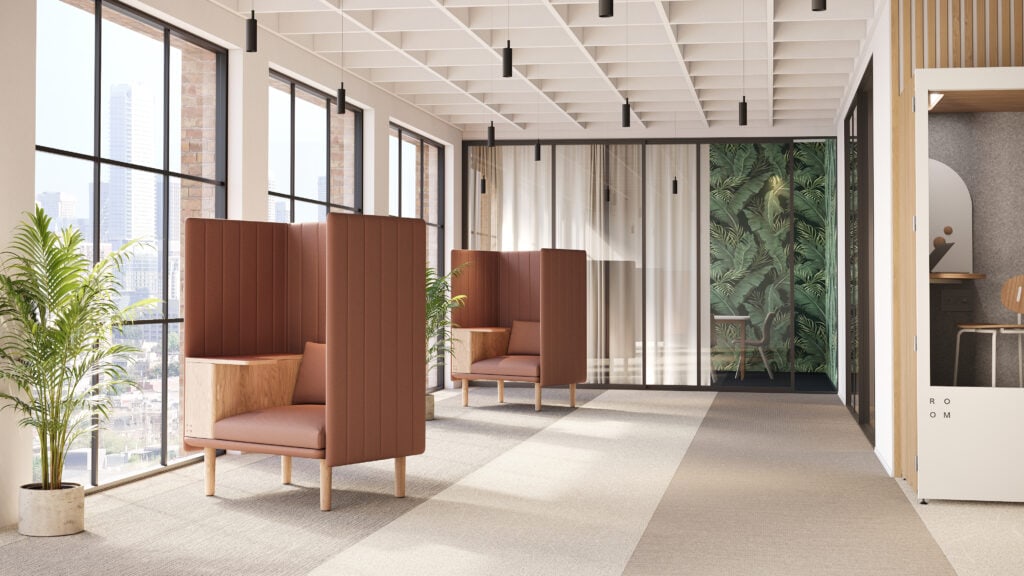


How Organizations Can Support Neurodiversity (and Everyone)
Recruitment & Hiring
- Use diverse pathways (e.g., skills tests, project-based tasks, blind resume review) rather than relying solely on traditional interviews.
- Clearly state willingness to provide accommodations in job descriptions.
- Offer alternative formats for interviews and assessments (written, take-home, asynchronous).
Onboarding & Clarity
- Provide detailed written instructions, checklists, visual aids, or job aids.
- Share explicit expectations, timelines, and goals.
- Pair new hires with mentors or “buddies” for guidance and support.
Work Environment & Flexibility
- Offer flexible working hours, remote/hybrid options, and quiet zones or noise-cancelling tools.
- Allow for task batching or “deep work” time blocks.
- Provide assistive technologies (e.g., speech-to-text, organizational tools, timers).
Communication & Feedback
- Use clear, concrete language and avoid ambiguity.
- When giving feedback, focus on behaviors, not personality.
- Hold regular check-ins to surface hidden blockers early.
Culture & Awareness
- Train managers and employees on neurodiversity, unconscious bias, and inclusive leadership.
- Encourage sharing of preferred working styles.
- Celebrate cognitive diversity stories and successes.
Accommodations & Support
- Create a transparent, accessible accommodation request process.
- Normalize small adjustments (e.g., extra time on tasks, alternate work modes).
- Offer coaching, peer support groups, or external resource networks.
Why this works: Easy to skim, SEO-friendly, mobile responsive, and makes each area stand out with clear subheadings.

Our Commitment & Vision
At Rightsize Facility, we believe that embracing neurodiversity is not just a moral imperative, it’s a business advantage. We commit to:
- Building a hiring and evaluation process that centers fairness and access, reducing unintentional bias.
- Providing a supportive environment where employees feel safe sharing their needs and preferences.
- Continually training leadership and teams on inclusive practices and inclusive communication.
- Evaluating and iterating on our processes to remove hidden barriers and optimize for diverse thinking.
- Showcasing stories of neurodivergent team members (with consent) to highlight strengths, resilience, and lessons learned.
By doing this, we hope to foster a culture where people don’t have to hide their differences to succeed, a place where diverse thinking is valued, not tolerated.
Final Thoughts
The future of work belongs to organizations that celebrate and support all kinds of thinkers. By embedding neurodiversity into hiring practices, workplace design, and company culture, we create environments where people don’t just fit in, they thrive.
Embracing neurodiversity isn’t just the right thing to do, it’s a smart strategy for building stronger, more inclusive workplaces.